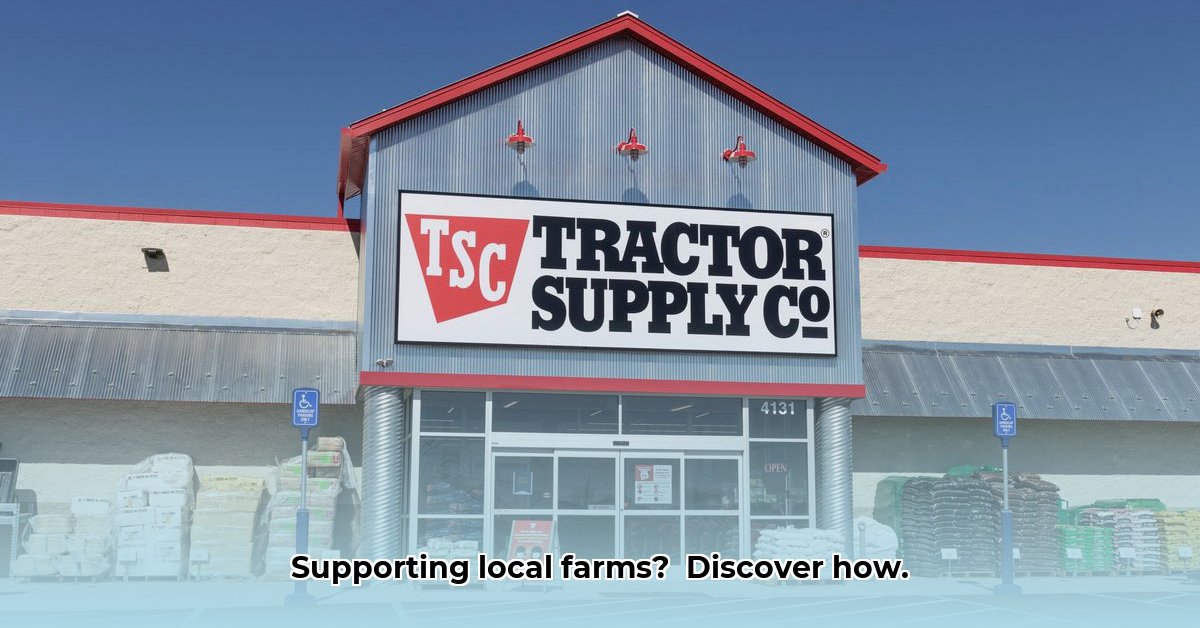
Tractor Supply Company (TSC) in Benzonia, Michigan, serves as a critical link in the agricultural supply chain for a geographically dispersed rural area. This case study examines its role in supporting sustainable agriculture within the region, acknowledging limitations in available data while offering actionable recommendations for enhanced effectiveness. The study focuses on TSC's geographic reach, the challenges faced by rural retailers, and the implications for sustainable agricultural practices within the Benzonia community and surrounding areas. For comparison, see information on a similar store here.
Understanding Data Limitations
This case study's scope is constrained by limited access to comprehensive data. Precise sales figures, detailed customer profiles, and a full inventory list for the Benzonia TSC are unavailable. This lack of data inhibits a precise quantification of TSC's contribution to sustainable farming practices and the overall health of the local food system. Future research should prioritize data collection to allow for a more robust analysis.
Geographic Reach and Challenges of Rural Retail
TSC Benzonia serves a wide area encompassing Benzonia and neighboring towns including Honor, Frankfort, Elberta, Arcadia, Thompsonville, and Beulah. This extensive reach highlights rural retailers' crucial role in providing access to essential agricultural supplies. However, the very remoteness that necessitates TSC's broad reach also presents significant challenges, including low population density, high transportation costs, and difficulties attracting and retaining qualified staff. These factors impact the store's profitability and, consequently, its ability to sustainably provide farmers with their needs. How might these challenges be addressed to enhance the resilience of this critical rural link?
Case Study Findings: The Role of TSC in Benzonia
TSC's presence offers a crucial supply point for farmers across a significant geographic area. This access to essential equipment and supplies is vital for maintaining farm operations and promoting sustainable agricultural practices. However, the store's capacity to fully support these practices is limited by the aforementioned data limitations. Further research is needed to fully assess the extent of TSC's positive impacts. The challenges faced by rural retailers, such as high transportation costs and low population density, directly impact their ability to fulfill the needs of area farmers. This underscores the need for a broader understanding of the systemic issues influencing rural agricultural sustainability.
Actionable Recommendations
To strengthen the system, short-term and long-term actions are needed from various stakeholder groups:
1. Tractor Supply Company Benzonia
- Short-Term (0-1 Year): Optimize store hours to align with peak farming seasons; implement rigorous inventory management to minimize waste and ensure timely availability of essential supplies; conduct informal customer surveys to understand immediate needs.
- Long-Term (3-5 Years): Conduct a comprehensive customer needs assessment including detailed surveys and purchase analysis; tailor inventory and services accordingly; implement a loyalty program to foster customer retention; explore partnerships with local agricultural organizations.
2. Local Farmers
- Short-Term (0-1 Year): Explore the formation of a farmer cooperative to leverage collective buying power; investigate opportunities for bulk purchasing of supplies.
- Long-Term (3-5 Years): Advocate for improvements to rural broadband and transportation infrastructure; adopt precision agriculture technologies to enhance efficiency and sustainability; actively participate in agricultural education and training programs.
3. Michigan State Government
- Short-Term (0-1 Year): Commission a study assessing the impact of rural retail infrastructure on local food security and farm profitability.
- Long-Term (3-5 Years): Develop and implement targeted rural development programs; provide grants or tax incentives to support rural businesses, like TSC, and enhance infrastructure; explore policies promoting sustainable agriculture.
Conclusion: The Future of Rural Agriculture
This case study underscores the critical role of rural retailers like Tractor Supply in supporting sustainable agriculture. While the limited data restricts comprehensive analysis, the need for further research is clear. Thorough data collection to specifically evaluate TSC's local impact and comparative studies of similar rural communities are necessary. A collaborative effort amongst TSC, local farmers, and the state government is crucial to address the challenges faced by the regional agricultural sector and to advance both farm profitability and environmental sustainability. Strengthening rural infrastructure and supporting local businesses are vital for the future of Benzonia's agricultural landscape.